
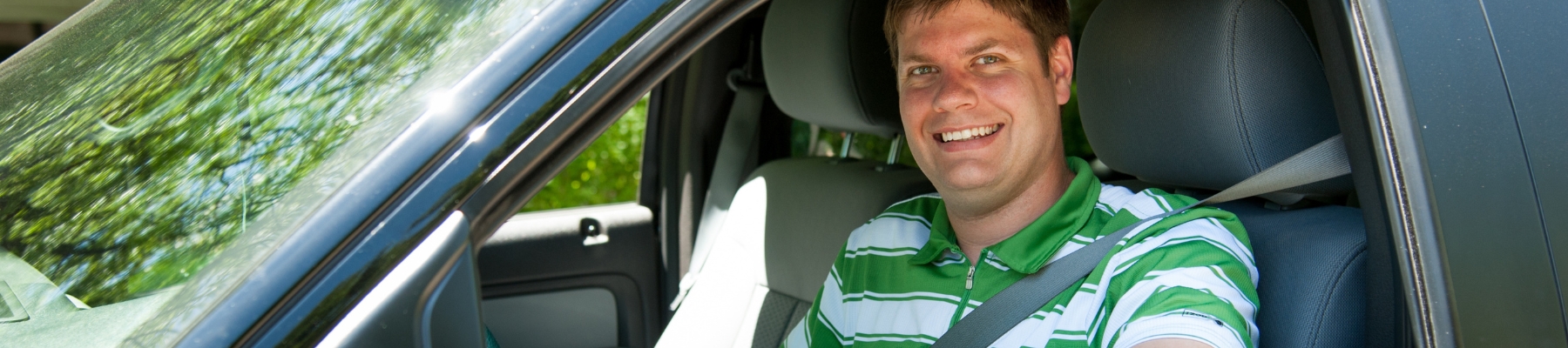
Seat belts save lives. They are the single most effective way to prevent serious injury or death in a traffic crash.
In North Dakota, unbuckled occupants account for a significant portion of road fatalities. In 2024, 48% of people killed in traffic crashes in ND were not wearing a seat belt. Wearing a seat belt keeps you within the vehicle’s protective space, reducing the risk of being thrown inside the cabin or ejected during a crash.
North Dakota enforces a primary seat belt law. This means law enforcement officers can stop and cite a vehicle if they observe an occupant who is not buckled up.
NDCC 39-21-41.4, Safety belts:
- All seating positions (front and back) with a seat belt available
- Penalty $20 (NDCC 39-06.1-06. section 2)
- All occupants in both the front and back seats must wear a seat belt, regardless of age.
- Children under age 8 must ride in an approved child restraint (car seat or booster seat).
- Children under 8 who are at least 4 feet 9 inches tall may transition from a child restraint to a standard seat belt.
While 8 out of 10 North Dakotans buckle up, those who don’t are at a much higher risk. Even at low speeds, physics creates extreme forces; at 30 mph, an unbelted 125-pound person can be thrown forward with several thousand pounds of force.
For maximum crash protection and to avoid injury from the seat belt itself, follow these safety guidelines:
- Shoulder Belt: Should cross the center of your chest and rest on your collarbone (not your neck or face).
- Placement: Never tuck the shoulder belt under your arm or behind your back.
- Lap Belt: Must sit low across your hips and pelvic bones, not your stomach.
- Posturing: Sit upright with your back against the seat and feet on the floor.
- Fit: Adjust the belt for a snug fit with minimal slack.
Every seat. Every trip. Every time. Buckling up is the simplest way to protect yourself and your passengers.
Contact us for education materials, training, or other resources.