
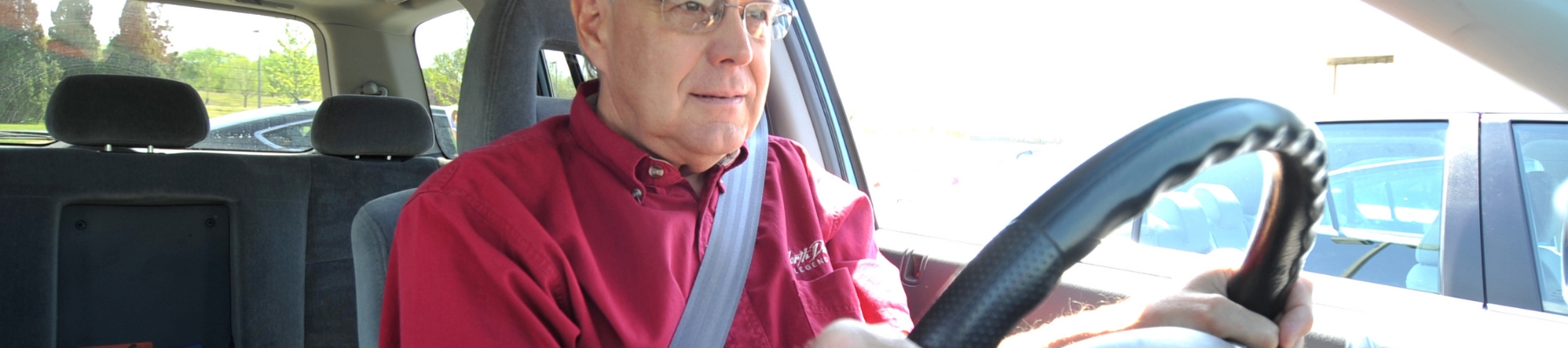
Getting older doesn’t mean giving up driving. However, age-related changes in vision, reaction time and physical ability can affect driving safely.
Over the last five years, 103 people age 65 and older have died in vehicle crashes across the state, and in 2024 alone, 32 drivers in this age group were involved in fatal crashes. Planning ahead and adjusting driving habits can help older drivers stay safe and mobile.
As people age, they may experience changes that affect driving including:
- Reduced vision or difficulty driving at night.
- Slower reaction time.
- Reduced flexibility or strength.
- Medications that cause drowsiness or dizziness.
Recognizing these changes early can help prevent crashes.
For many older adults, driving represents independence. If you’re concerned about a loved one’s driving:
- Share specific observations, not assumptions.
- Focus on safety, not age.
- Look for solutions that support mobility.
- Always wear a seat belt.
- Avoid distractions, including cell phones.
- Be aware of how medications affect alertness.
- Avoid driving in challenging conditions, such as bad weather or heavy traffic.
- Consider adjusting driving times or routes.
Safe driving looks different for everyone. Making small adjustments can help aging drivers stay safe and independent longer.
Contact us for education materials, training, or other resources.